Digital waste tracking, explained without the jargon
What it actually is, who has to do what and when, and the specific things a carrier and a receiving site each have to change about the way they work. No acronyms left unexplained.

LoadSnap team
UK waste compliance

Most explanations of digital waste tracking are written by people who have never stood at a weighbridge in the rain. This one is not. Here is what it is, who it lands on, when, and what you actually have to change about the way you work.
What it is, in one paragraph
Every load of waste in the UK already generates paperwork. A waste transfer note when it changes hands, a consignment note if it is hazardous, a weighbridge docket when it is weighed. Those go in a filing cabinet and, unless something goes badly wrong, nobody ever reads them again. The regulator only finds out about waste crime long after the waste has gone.
Digital waste tracking replaces that filing cabinet with one national record. Instead of paper sitting in your office, the details of each load go into a government system that the Environment Agency and the other regulators can see. The idea is that a load can be followed from where it was produced to where it ended up, rather than reconstructed afterwards from whatever paperwork survived.
It has not abolished the transfer note
You still have duty of care obligations and you still produce and keep transfer notes and consignment notes. Digital tracking sits alongside that for now. Anyone telling you the paperwork has gone away is getting ahead of themselves.
Who has to do what, and when
It arrives in two stages, and which one you are in depends on what your business does rather than how big it is.
- Receiving sites, from 1 October 2026. If you hold a permit or a licence to take waste in, you have to record every load you receive. England and Wales from that date, Scotland and Northern Ireland from January 2027. This is law, not guidance.
- Carriers, brokers and dealers, from October 2027. If you move waste or arrange for it to be moved, your own duty starts a year later. There is a limited trial from autumn 2026 and a public one from spring 2027 that anyone can join voluntarily.
- Producers. No direct filing duty. But the sites and carriers you use will start asking you for better information, because they now have to put it into a system that checks it.
If you are a carrier who also runs a permitted site, and plenty of firms are, then you are in the first group. October 2026 is your date, for the site half of what you do.
One load, before and after
This is the clearest way to see what changes. Take an ordinary job: a skip of mixed construction waste collected from a building site and tipped at a transfer station.
How it works today
The driver fills in a transfer note at the kerb, gets a signature, keeps a copy and leaves one with the customer. At the transfer station the weighbridge prints a docket. Both bits of paper end up back at their respective offices and are filed. If the Environment Agency ever asks, somebody goes and digs them out.
From October 2026
The collection is unchanged. What changes is the gate. The transfer station now has to get that load into the government system by the end of the second working day after it arrived, and the record has to include real, structured detail: the waste classification code, how much of it there was and whether that figure was weighed or estimated, what is going to happen to the waste, whether it is hazardous, whether it contains persistent organic pollutants, and who carried it, including their carrier registration number.
Notice who supplies half of that. The site is filing a record about your load, using details your driver handed over. If the paperwork is vague, the clerk has to chase somebody, and they are doing it against a clock.
From October 2027
Now the record starts with the carrier. Before the wagon leaves, the load is entered and gets its own number. That number travels with the load. At the gate the site quotes it and adds its weighbridge figures to the record that already exists, rather than typing a new one from whatever it can read off a docket. One load, one thread, both ends contributing.
What a receiving site has to change
Five things, roughly in the order they will bite.
- 01Get registered. You need a digital waste tracking code, one per organisation, covering every site that organisation runs, and it costs £26 a year. Registration is checked against the permit register, and a permit number that does not match exactly is the single most common reason people get held up. Sort this first, because everything else waits on it.
- 02Capture at the gate, not at five o'clock. Two working days sounds generous until a bank holiday weekend lands in the middle of it. Sites that key the weight, the waste code and a photo while the wagon is on the bridge never think about the deadline. Sites that keep a pile of dockets to do later spend their Mondays panicking.
- 03Get your waste codes right. The classification code, and the code for whether the waste is being recovered or disposed of, are now data rather than a scribble. A code that was near enough on paper is a rejected record here.
- 04Decide who does it when your clerk is off. This is a legal duty with a deadline attached, and it cannot depend on one person being at work. Somebody else needs the training and the access before you find out the hard way.
- 05Have a way of correcting mistakes. An error DEFRA tell you about has to be put right inside the same two working day window. One you spot yourself has to be corrected as soon as you can, and always within a month of finding it. Either way somebody has to be looking at what was filed, not just filing it.
What a carrier has to change
Your own deadline is 2027, but three of these matter now, because the sites you tip at have been on the clock since 1 October 2026.
- 01Capture the load digitally at the kerbside. Waste code, description, quantity, photos, signature, where and when. This is the change with the longest lead time, because it is a habit rather than a setting. A crew that has written the same paper ticket for ten years needs months of ordinary jobs before it becomes automatic.
- 02Clean up your customer and site data. Names spelt four ways, sites recorded as "the one on the bypass", waste codes copied off a template somebody built years ago. It takes weeks, it is nobody's favourite job, and it has to be done before the records start counting.
- 03Keep your registrations straight. Your carrier registration number goes on every filed record. An expired registration or a transposed digit turns into a rejected filing at somebody else's gate, and they will remember.
- 04Be honest about weights. What you record at the kerb is usually an estimate. What the bridge records is the real figure. Both are legitimate, and the system asks which one it is being given, so your workflow needs somewhere for the estimate to be replaced by the weighed figure rather than quietly left wrong.
- 05Fix the handover. This is the one nobody plans for. The join between your job and the site's gate is where digital tracking either works or falls apart. Right now getting it wrong costs you an awkward phone call. In 2027 it is a compliance failure for both of you.
The things that catch people out
- The clock is two working days, not two days. Weekends and bank holidays do not count, which helps, but it also means a Thursday collection and a bank holiday Monday leave you less room than you think.
- One load filed twice. If you collect waste and tip it at your own site, both halves of your business can file the same lorry. That is one load counted as two in the national figures, and there is no way to take a filing back out once it is in.
- Estimated weights that are never corrected. Easy to do, hard to spot afterwards, and it quietly makes your tonnage reporting wrong.
- A driver with no signal. Rural collections and basement car parks are real. Whatever you use has to hold the load on the phone and send it when signal comes back, without the driver having to remember to do anything.
- Permits and registrations lapsing. A licence that expires quietly is now a filing problem as well as a legal one.
Where to start
If you run a permitted site and still do not have your tracking code, get it sorted this week. The duty already applies, it is the only item on the list with a queue in front of it, and nothing else can be filed until you have it.
If you run wagons, pick your busiest round and run it digitally for a month with the paper alongside. You will find out in four weeks what your real problems are: the customer records that are wrong, the codes your crews guess at, the sites that will not play. Fixing those while there is no penalty attached is a very different job from fixing them in October 2027.
The full timeline role by role, including the dates for each UK nation, is on our digital waste tracking guide. If you want to know where your own operation stands, the readiness assessment scores it in a few minutes. And if you are wondering what happens when the carrier half arrives, we have written about why we think we are already built for it.
LoadSnap team
UK waste compliance
Written by the team building LoadSnap, the UK waste compliance platform for carriers and receivers.
Keep reading
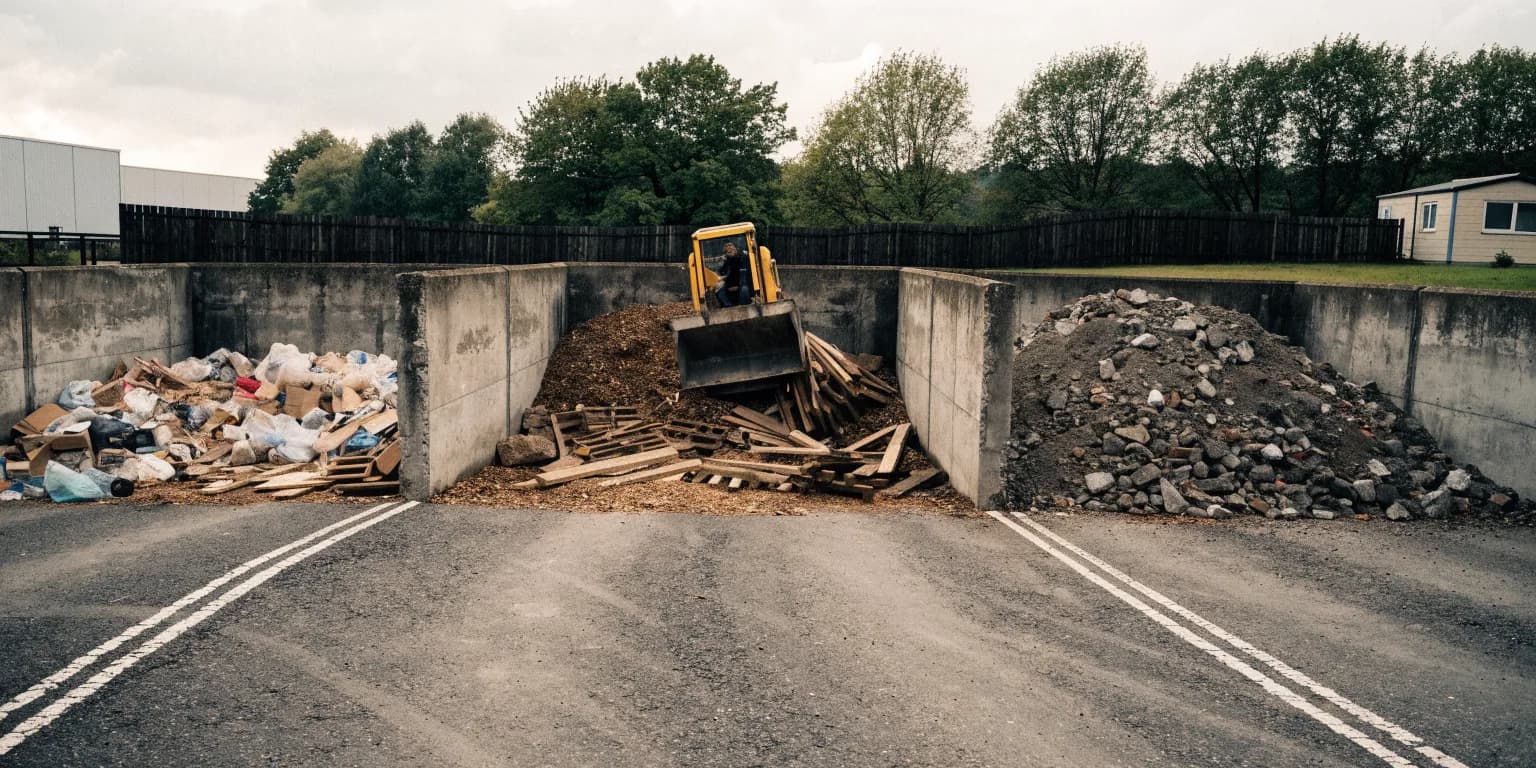
Do you need to report the waste you receive? DEFRA's guidance, read from the weighbridge
Oct 8, 2026 · 8 min
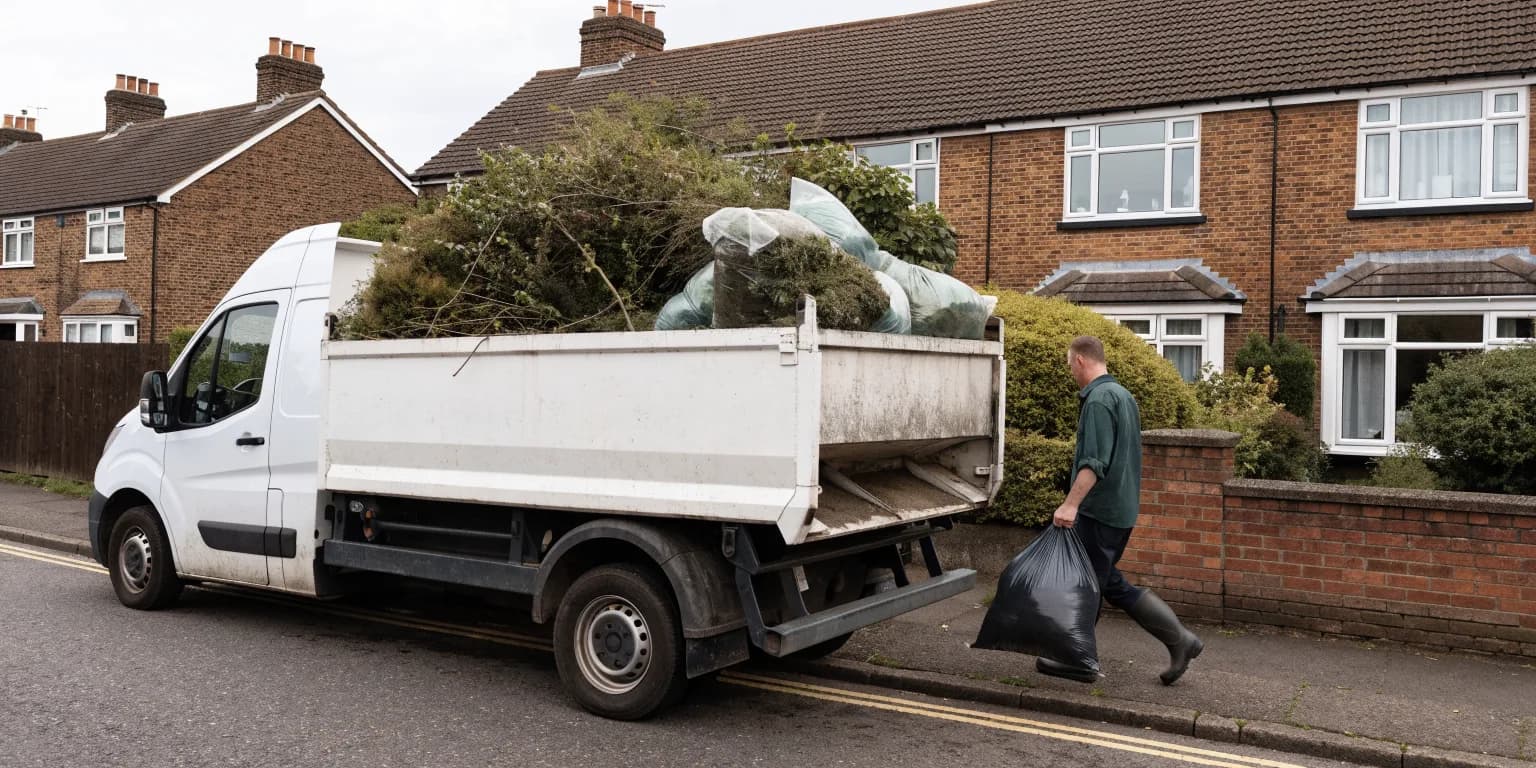
Upper tier or lower tier: which waste carrier licence you need and what it costs
Oct 4, 2026 · 5 min
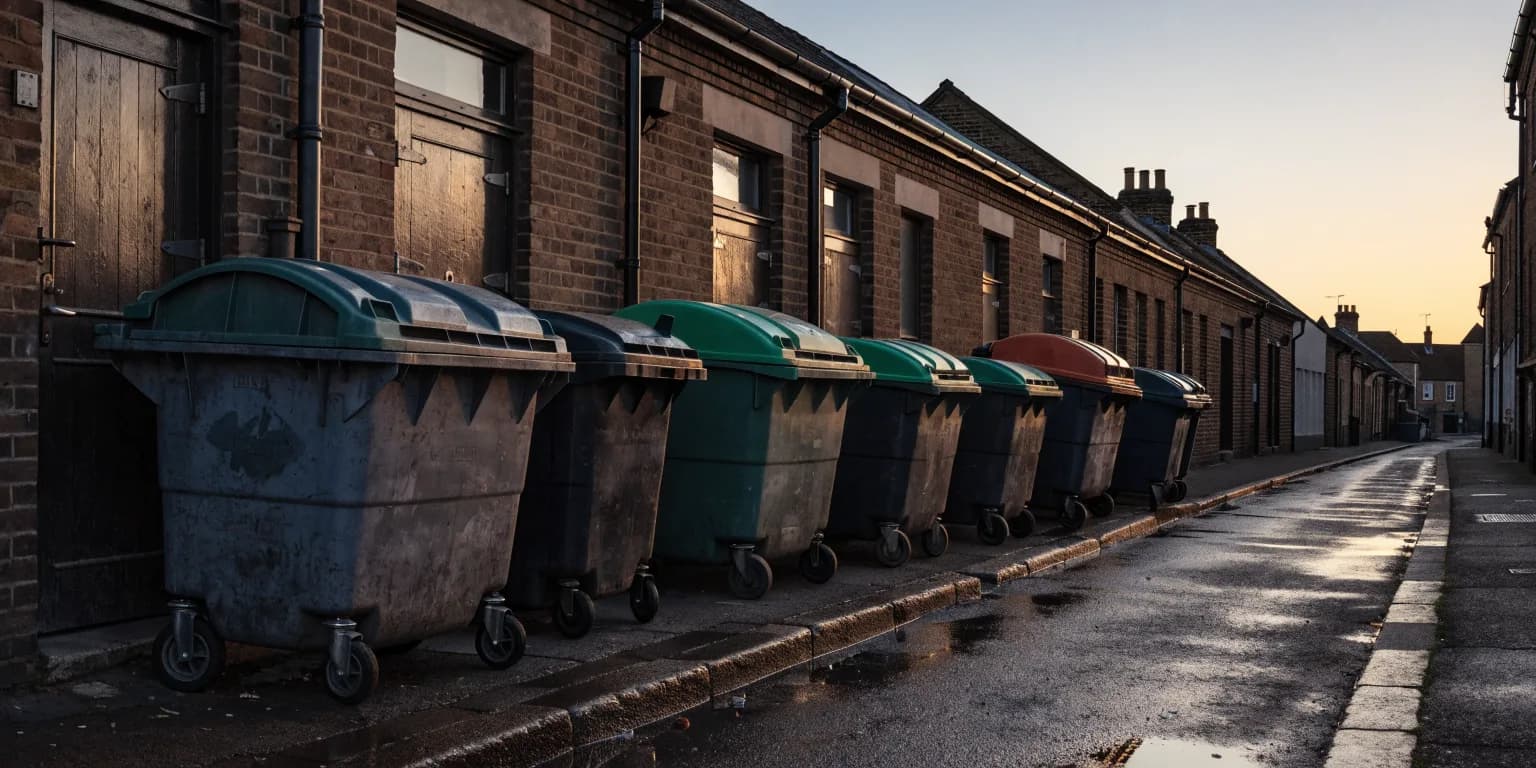
Season tickets: when one transfer note can cover a year
Oct 4, 2026 · 5 min
Digital waste tracking is live
The mandate is here.
Automate compliance.
Receiving sites in England and Wales have had to record every load digitally since 1 October 2026. Start a 14-day free trial in minutes, cancel any time before it ends, and file every load from day one.
DEFRA API integrated · EA carrier verification · UK data residency