What we learned visiting 12 transfer stations in a month
Notes from a month on the road with twelve transfer stations — how loads actually move through a gate, and what that taught us about building for it.

LoadSnap team
UK waste compliance
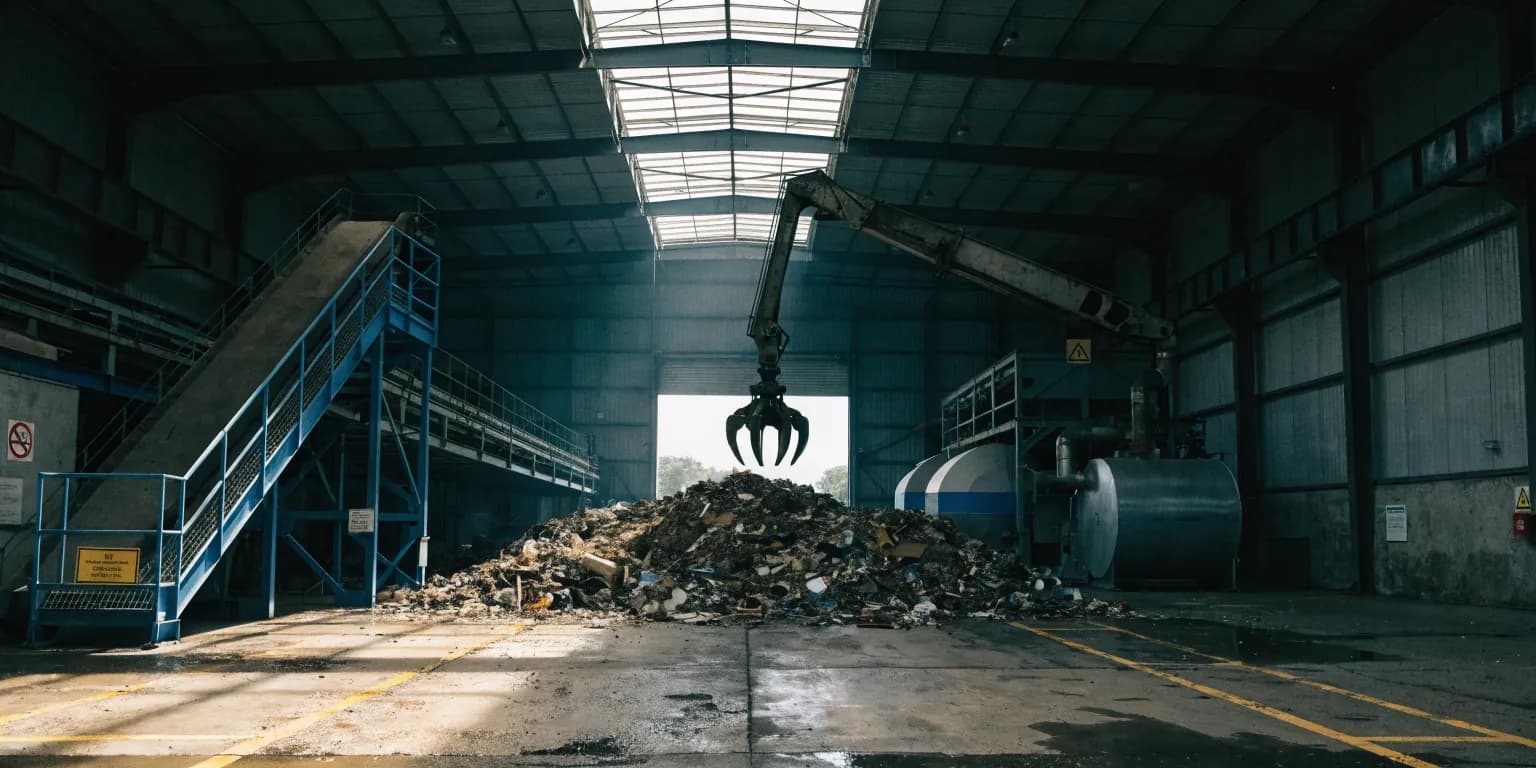
We've just finished a month on the road: twelve transfer stations, one after another, watching loads arrive, get weighed and get logged. The plan was to set each site up on LoadSnap and move on. What we actually got was an education in how a gate really works — and a list of things the product had to respect, not just features it had to have.
Some of this will be obvious to anyone who has run a weighbridge. Not all of it was obvious to us. The product is better for the month, and this is the honest version of why.
The gate runs on interruptions
The person logging loads at a transfer station is never just logging loads. They're waving a wagon onto the bridge, answering a radio, checking a carrier's paperwork and watching the queue build behind the vehicle they're serving. Software that assumes their full attention for more than about a minute has already failed. That's the constraint the operative portal is built around: one job on screen, a handful of big targets, and a receipt at the end. Scan the QR, log the waste, key the weight, done.
Nobody wants to wire up the weighbridge
The most common first question, at almost every site, was whether we integrate with the weighbridge. The answer is no — deliberately. LoadSnap doesn't connect to weighbridge hardware or scales. The operative reads the gross and tare off the bridge the site already has and keys them in; LoadSnap works out the net and files the record.
The reasoning is practical. Bridges vary enormously in age, make and wiring, and hardware integration is where site installs go to die — serial cables, drivers, an engineer visit, a maintenance contract. Keying two numbers takes seconds and works with every bridge ever made. You keep the kit you trust, and the software carries the compliance.
Receipts should be a by-product, not a task
The pattern we saw over and over: a load is weighed, a ticket is printed or a line goes in the book, and the record that actually matters for compliance gets re-keyed later by somebody in the office. Every re-key is a chance for the weight, the EWC code or the carrier details to drift from what happened at the gate.
So the gate flow is designed to finish the record before the lorry leaves:
- A QR scan pulls up the movement, so nobody types a reg number in the rain
- AI pre-fills the EWC code and the operative confirms or corrects it in a tap
- The carrier's registration is checked before the load is accepted, not after
- A receipt with a tracking ID prints or emails the moment the load is logged
Consignee returns then generate from the loads the site has accepted, rather than being compiled by hand at the end of the period.
The two-working-day clock
Digital waste tracking gives a receiving site until the end of the second working day after receipt to get each load into DEFRA's system. A month of watching gates convinced us the only sane reading of that deadline is to make it irrelevant: file at the gate, the moment the load is accepted, and the clock never starts mattering. LoadSnap submits the receipt and shows the DEFRA reference against it, so the office checks a status instead of working a backlog.
What the month changed
Several things went straight from a gate visit into the product: bigger touch targets for gloved hands, the kiosk lock that keeps a shared tablet on one job, and rejection reasons recorded on the spot when a contaminated load is turned away.
If you run a transfer station and any of this sounds familiar, the receiver workflow and operative portal pages show the whole flow at the gate. And if a site still needs its DWT code, that's the first job.
LoadSnap team
UK waste compliance
Written by the team building LoadSnap, the UK waste compliance platform for carriers and receivers.
Keep reading

“DEFRA Approved” Waste Tracking Software: What the Term Actually Means (and Who's Really on the List)
Jul 7, 2026 · 7 min
How to get your DEFRA Digital Waste Tracking code
Jun 26, 2026 · 5 min
Ask your waste data a question — with Copilot and the Claude connector
Jun 26, 2026 · 4 min
On the DEFRA DWT Beta
The mandate is coming.
Get compliant now.
Start for free. Live in under an hour. No credit card. Build your digital audit trail today, before the deadline forces it.
DEFRA API integrated · EA carrier verification · UK data residency